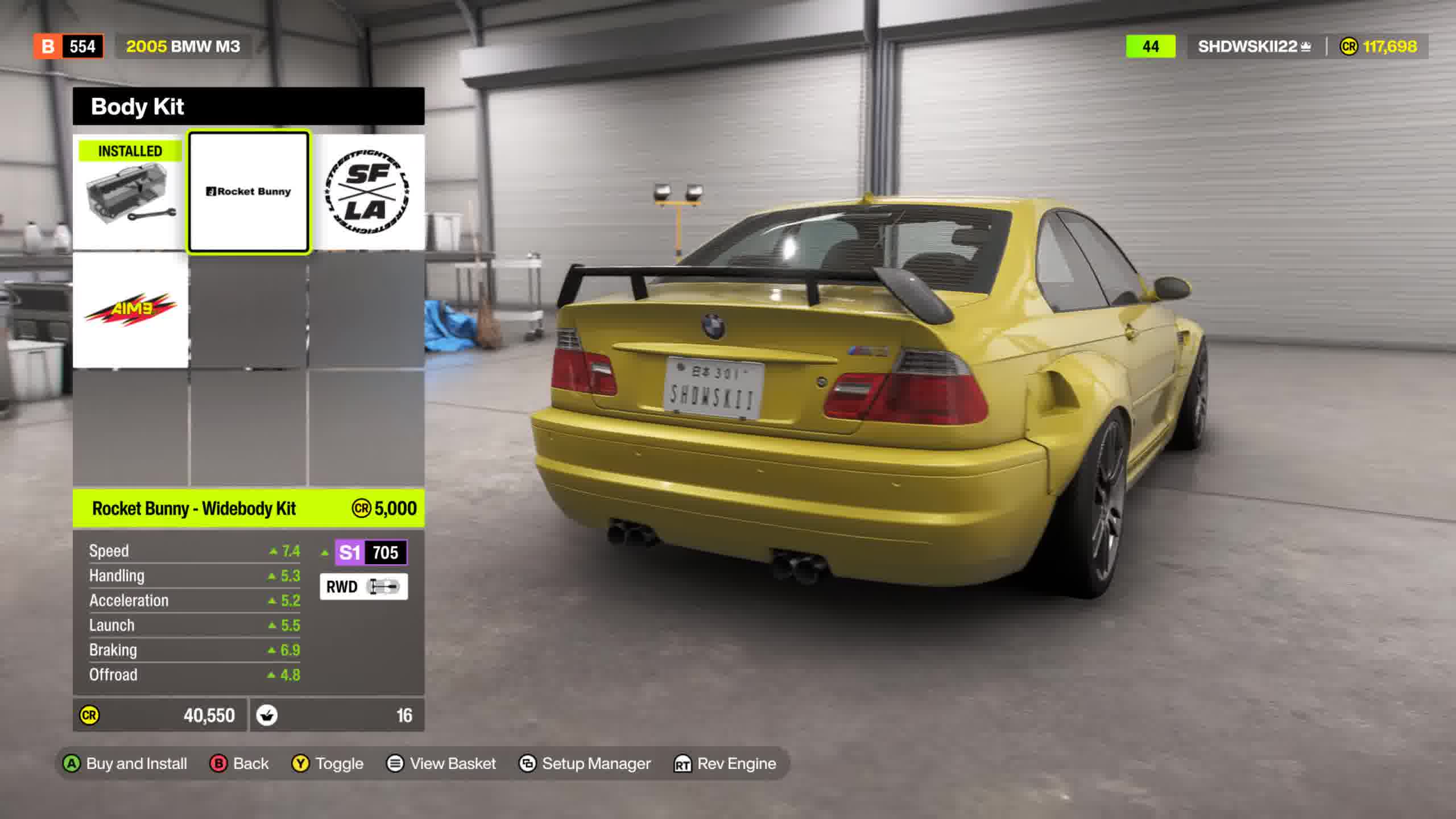
Forza Horizon 6 Challenge Showdown: Drifting, Dirty Racing, and Pure Chaos
In Forza Horizon 6, competition isn’t just about speed—it’s about adaptability, racecraft, and sometimes… creative interpretation of the rules. In a high-energy showdown between two drivers, the challenge escalated across drift zones, circuit races, drag runs, and off-road battles, with shifting momentum, psychological warfare, and controversial “wall techniques” defining the outcome.
This breakdown reconstructs the full event structure, performance data, and competitive flow.
Event Format Overview
The challenge followed a multi-discipline format designed to test all driving skills:
| Event # | Discipline | Vehicle Type Rule | Key Skill Tested |
| 1 | Drift Zone | Toyota Supra vs Chaser | Angle control + scoring consistency |
| 2 | Circuit Race | A-Class tuned builds | Cornering + race pace |
| 3 | Off-Road Race | C-Class identical cars | Traction + terrain control |
| 4 | Drag Race | B-Class mixed builds | Launch + tuning efficiency |
| 5 | Circuit Race (S2) | Stock time attack cars | Precision + stability |
| 6 | Off-Road Finale | Stock Toyota Celica GT4 | Full skill consistency |
Each event reset performance dynamics, ensuring no single driving style could dominate the entire contest.
Event 1: Drift Zone Battle (Toyota Supra vs Chaser)
The opening drift battle set the tone: aggressive scoring, psychological trash talk, and early confidence swings.
Drift Performance Summary
| Driver | Car | Best Score | Style Notes |
| Driver A | Toyota Supra | ~100K+ runs | Cleaner transitions, consistent angle |
| Driver B | Toyota Chaser | ~100K–120K | Strong entry speed, unstable exits |
Key Observations:
- Supra favored smoother transitions.
- Chaser produced higher risk/high reward runs.
- Minor collisions occurred, affecting multiplier stability.
Result: Narrow win decided by consistency rather than peak angle.
Event 2: A-Class Circuit Race (Lambo vs Evo Build)
This round introduced higher performance disparity through tuning choices.
Performance Table
| Driver | Vehicle | Power Balance | Outcome |
| Driver A | Lamborghini (A-Class) | High acceleration | Strong mid-corner speed |
| Driver B | Evo VI (A-Class tune) | Balanced AWD grip | Inconsistent exits |
Key Factor:
- AWD stability vs RWD aggression created divergent racing lines.
- One driver maintained corner exit speed advantage throughout.
Result: Lead shift after sustained lap pressure.
Event 3: Off-Road Equal-Cars Challenge (C500 Stock)
This was the first “true equalization” test: identical cars, identical tuning.
Lap Time Comparison
| Driver | Best Lap Behavior | Notes |
| Driver A | Stable pacing | Minimal errors |
| Driver B | Aggressive lines | Higher error frequency |
Critical Insight:
- Equal cars exposed pure driving consistency.
- Small mistakes had amplified impact due to low grip surfaces.
Result: One driver pulled ahead decisively after mid-race error chain.
Event 4: Drag Race (B-Class Mixed Builds)
This segment removed cornering entirely, focusing on tuning efficiency.
Launch & Speed Table
| Driver | Car Type | Launch Quality | Top Speed Behavior |
| Driver A | RX-7 B-Class | Strong | Stable pull |
| Driver B | Circuit-tuned build | Weak initial setup | Late surge |
Key Dynamic:
- Non-drag builds introduced unpredictable torque curves.
- Launch performance outweighed top-end potential.
Result: Upset win based on acceleration tuning advantage.
Event 5: S2-Class Circuit Race (Stock Time Attack Cars)
A major turning point: stock cars, no tuning allowed.
Performance Breakdown
| Driver | Consistency | Mistakes | Outcome Impact |
| Driver A | High | Minor | Maintained pressure |
| Driver B | Medium | Critical wall contact | Lost time heavily |
Key Factor:
- Stock setup removed tuning advantages entirely.
- Track discipline became decisive.
Result: One driver secured a clean victory after opponent errors in high-speed corners.
Event 6: Final Off-Road (Stock Toyota Celica GT4)
The finale was pure parity: identical vehicles, identical constraints.
Final Race Snapshot
| Metric | Driver A | Driver B |
| Start Reaction | Slight advantage | Slight delay |
| Mid-race control | Stable | Aggressive recovery attempts |
| Error rate | Low | High (terrain-induced mistakes) |
Key Moment:
- A single off-line correction determined final positioning.
- Momentum swings were constant due to uneven terrain grip.
Result: Final winner decided by consistency under pressure.
Competitive Analysis: Why the Winner Prevailed
Across all six events, three core factors defined success:
1. Consistency Over Peak Performance
High scoring drift runs and fast laps were less important than repeatable execution.
2. Error Minimization in Stock Events
When tuning was removed, mistakes became decisive.
3. Adaptive Driving Style
Drivers who adjusted between:
- Drift precision
- Circuit racing lines
- Off-road traction control
performed better overall.
Strategic Insight: Progression Systems in FH6
Competitive sessions like this highlight why players often invest heavily in progression systems. Faster access to optimized builds, cars, and upgrades significantly reduces variability between events.
This is also where systems like FH6 Credits influence competitive readiness, since vehicle access and tuning flexibility directly impact performance consistency across multiple disciplines.
Conclusion
The Forza Horizon 6 multi-discipline challenge showcased a complete spectrum of driving skill: drifting precision, circuit discipline, drag optimization, and off-road control. Momentum shifted repeatedly, with no single driver dominating all categories.
Ultimately, consistency under pressure—not raw speed or aggressive tactics—defined the final outcome across this chaotic but structured racing gauntlet.
